For a straightforward clean-water job, such as a burst flexi hose that soaked one or two rooms of carpet and the bottom of the plasterboard, drying is often in the range of 3–5 days with the right equipment in place. Jobs involving timber floors, concrete, cavity walls or large volumes of floodwater regularly take a week or more.
Those are typical ranges, not targets. A job is finished when the materials reach their drying goal, and not a day before.
What decides the timeline
The materials
Porous, open materials such as carpet, underlay and plasterboard face give up water relatively quickly. Dense materials hold on to it:
- Timber (framing, floorboards, particleboard and yellow tongue flooring) absorbs water deeply and releases it slowly.
- Concrete slabs and masonry can take much longer, especially thick slabs or walls wet from both sides.
- Layered assemblies, such as vinyl over particleboard, tiles over a screed or plasterboard with a vinyl wallpaper, trap water behind a barrier. They may need to be opened up, or they will take far longer.
The class of water loss
The IICRC S500 classes describe how much water is present and how hard it is to remove. A Class 1 job with a small wet area dries fastest. Class 3 jobs, with water through ceilings and insulation, put a lot of moisture into the air. Class 4 involves dense, low-permeance materials that need drier air and more time. See what size dehumidifier do I need for how class affects equipment.
Temperature
Warm materials release moisture faster. In most Australian homes, temperatures between about 20°C and 30°C give good results. Cold rooms slow evaporation and also reduce the output of refrigerant dehumidifiers. Very hot, unventilated spaces can cause problems for occupants and some materials. Aim for warm and controlled.
Airflow
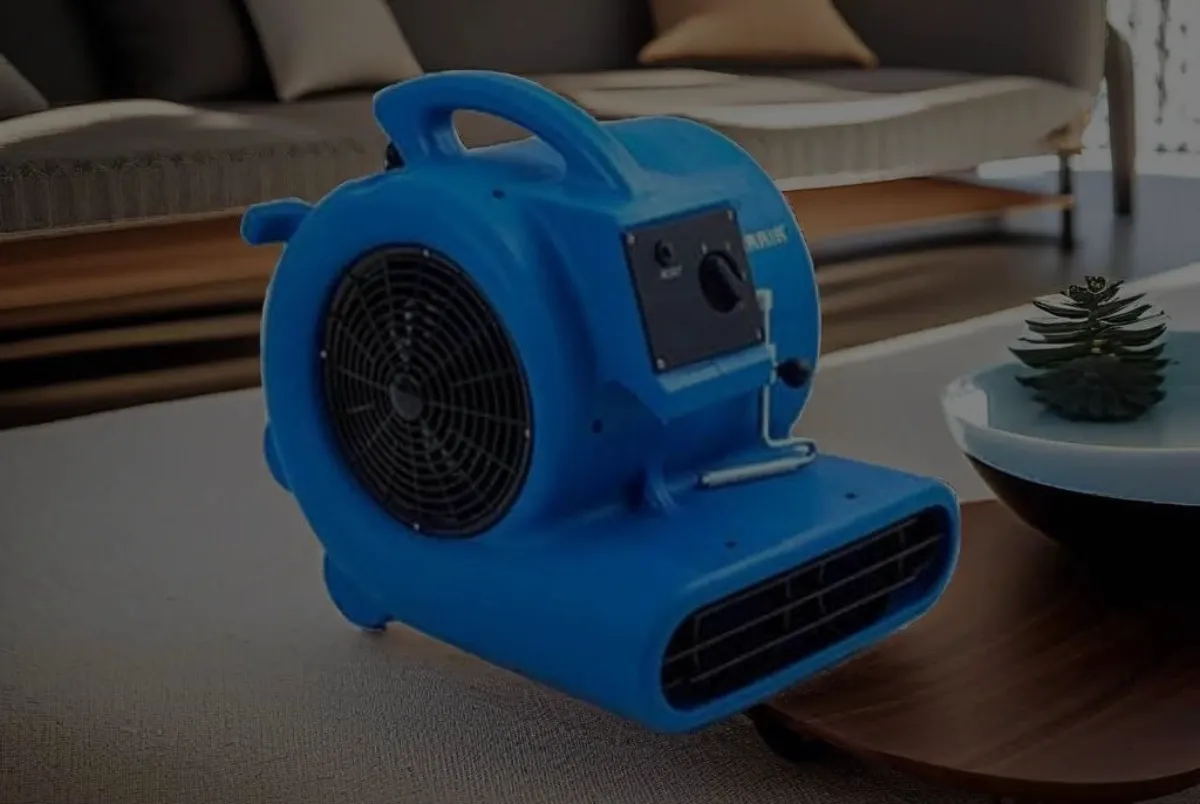
Air movers push dry air across wet surfaces and break up the thin layer of saturated air that sits against them. Without surface airflow, even a very dry room dries walls and carpet slowly. Too little airflow is one of the most common reasons jobs run long.
Dehumidification
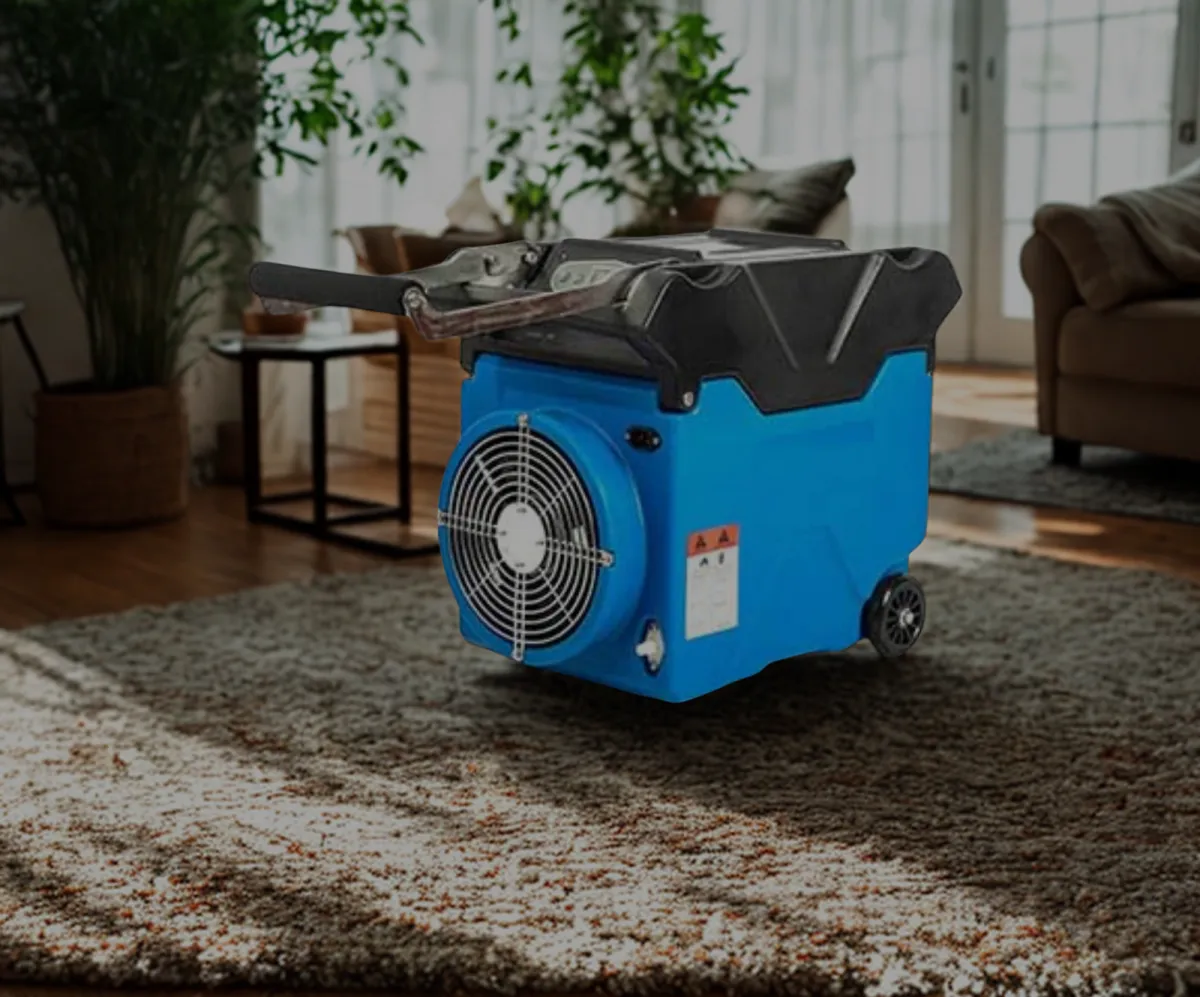
Airflow moves water from materials into the air. Dehumidifiers then have to take it out. If there are not enough of them, room humidity climbs, the evaporation rate stalls and moisture can migrate into materials that were dry. LGR units hold drying conditions better as the room approaches dry standard.
Speed of response
Water keeps migrating into walls, subfloors and cabinetry while it sits. The sooner extraction and drying start, the less water ends up in dense materials, and the shorter the job.
Setting drying goals
Before you set up, establish what "dry" means for this building:
- Take reference readings from unaffected materials of the same type, ideally in a similar part of the building. A dry section of the same wall, a dry room of the same flooring. This is your drying goal.
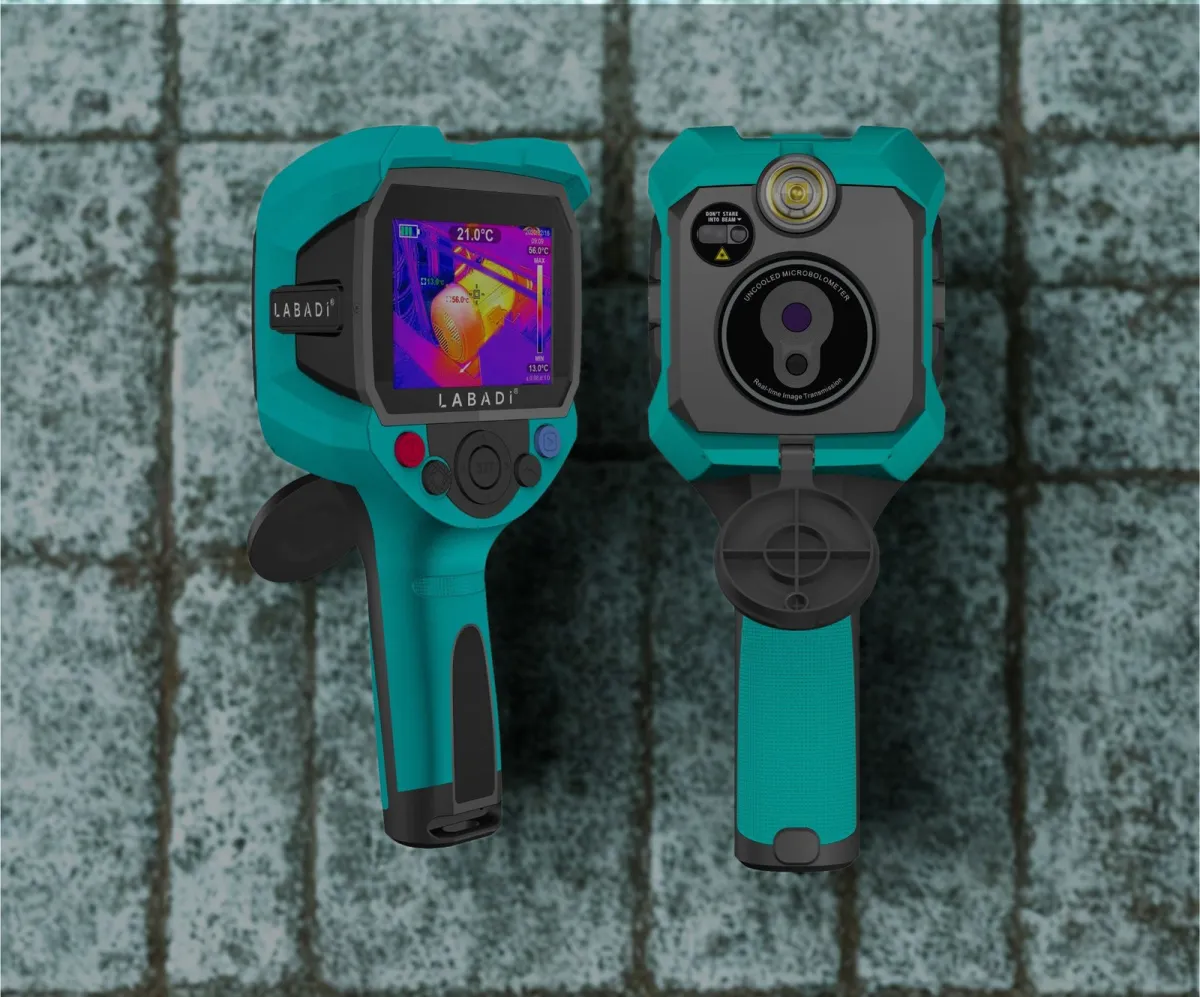
- Map the wet area. Use a thermal camera to find likely wet zones, then confirm with a moisture meter. Thermal images show temperature differences, not moisture, so always verify with a meter.
- Mark your monitoring points on a floor plan or in photos so you read the same spots every visit.
Tools such as the FLIR MR277, which combines a moisture meter with a thermal imager, or a Protimeter SurveyMaster make this faster and more repeatable. For more detail, see thermal cameras and moisture meters.
Daily monitoring: what to record
Visit at least once a day and record:
- Moisture readings at each mapped point.
- Temperature and RH in each drying chamber, and outdoors.
- Specific humidity (GPP or g/kg) calculated from temperature and RH, inside and outside.
- Dehumidifier outlet readings, to confirm each unit is still removing water (grain depression).
- Equipment count and positions, plus any changes you make.
- Photos of setups and problem areas.
The trend is what matters. Moisture readings should fall steadily day by day. Room GPP should drop and then level out at a low figure. Good records also protect you with insurers and clients if the timeline is questioned.
When to add or change equipment
Adjust the setup when the numbers tell you to:
- Room GPP is not falling, or is rising, in the first 24–48 hours: add dehumidification or seal the chamber better.
- Dehumidifier grain depression is small while materials are still wet: the unit is struggling with the conditions. Check temperature and filters, then add capacity.
- Readings plateau on one wall or floor area: move or add air movers to that surface, or check for trapped water behind skirting, cabinets or vinyl.
- Surfaces are dry but readings deep in the material stay high: consider opening up cavities, drilling weep holes behind skirting or using specialty drying methods.
- Temperature is low: raise it where safe to do so.
Remove equipment as areas reach their goal, but keep monitoring until everything is dry. Pulling machines early is a common cause of mould complaints later.
What slows jobs down unexpectedly
- Hidden water under cabinetry, in wall cavities or beneath floating floors.
- Windows left open by occupants, bringing in humid air.
- Contaminated water (Category 2 or 3) that requires removal of materials before drying can start. Sewage and floodwater jobs need proper PPE and, for anything significant, a qualified restoration professional.
- Mould already present, which changes the job to remediation. See mould remediation.
For a full picture of how drying fits into the rest of a job, see water damage restoration.