Restoration equipment earns money when it is on a job and costs money when it sits in the shed or breaks down on site. The right kit for a new business is not the biggest kit. It is the set of machines that lets you take the jobs you are likely to get, dry them properly and move straight on to the next one.
This checklist is organised by business stage. Most operators move through all three.
Stage 1: Starter (one van, one to two jobs at a time)
Typical work: burst flexi hoses, dishwasher leaks, small carpet floods, a laundry or a bathroom. Many carpet cleaners and handymen start here.
Drying
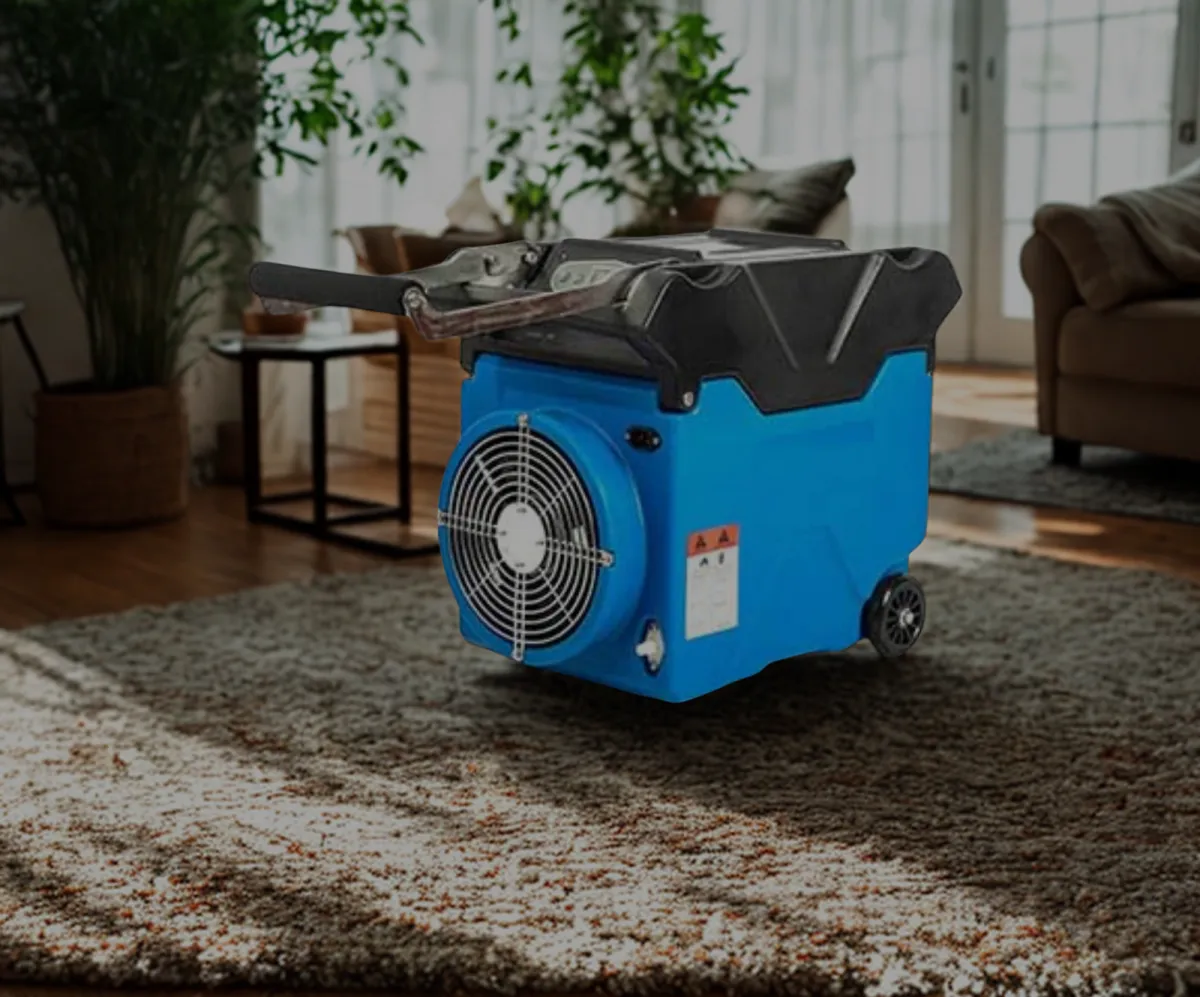
- Two LGR dehumidifiers. The 50L LGR dehumidifier is a practical first choice: compact, on wheels, stackable and able to keep working in cool conditions.
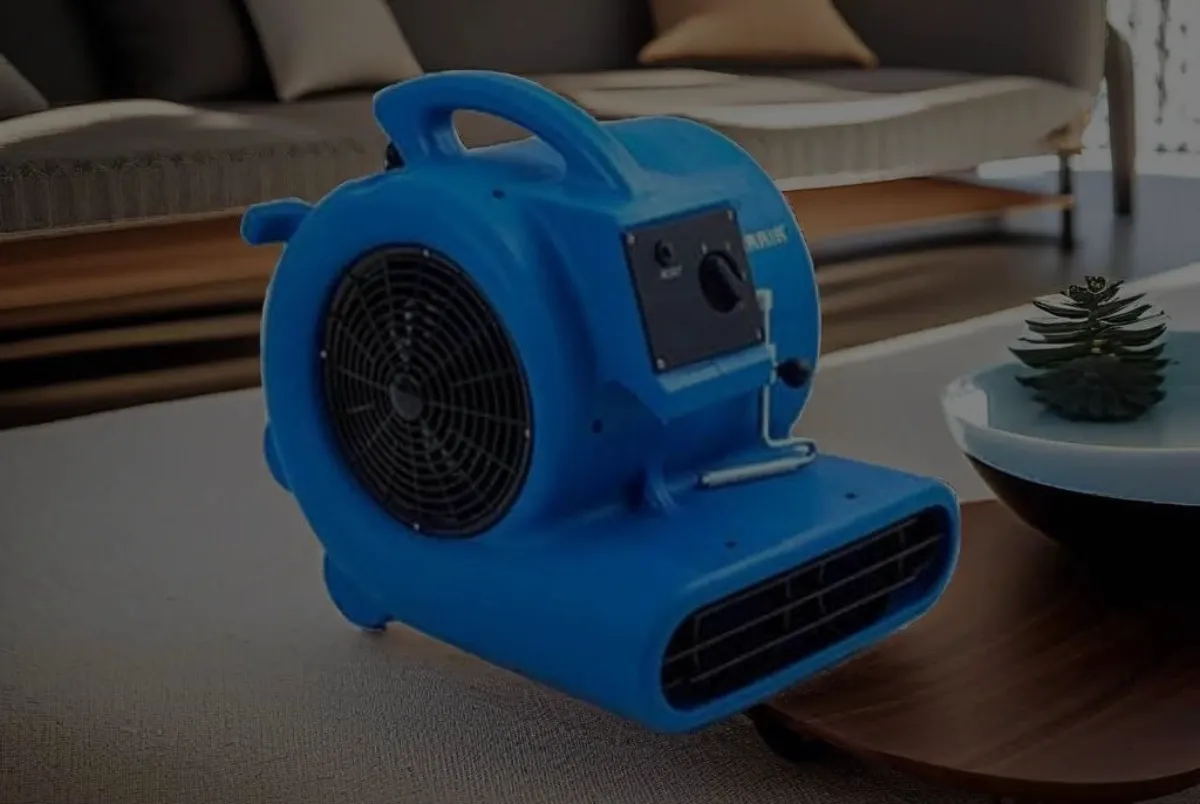
- Four to six air movers. Snail blowers such as the Pro Snail handle carpet and wall bases; one low-profile unit helps under beds and benches.
- Drain hoses long enough to reach a sink, shower or floor waste.
Detection
- A dual-mode pin and pinless moisture meter, such as the Protimeter SurveyMaster.
- A thermo-hygrometer for temperature and relative humidity readings.
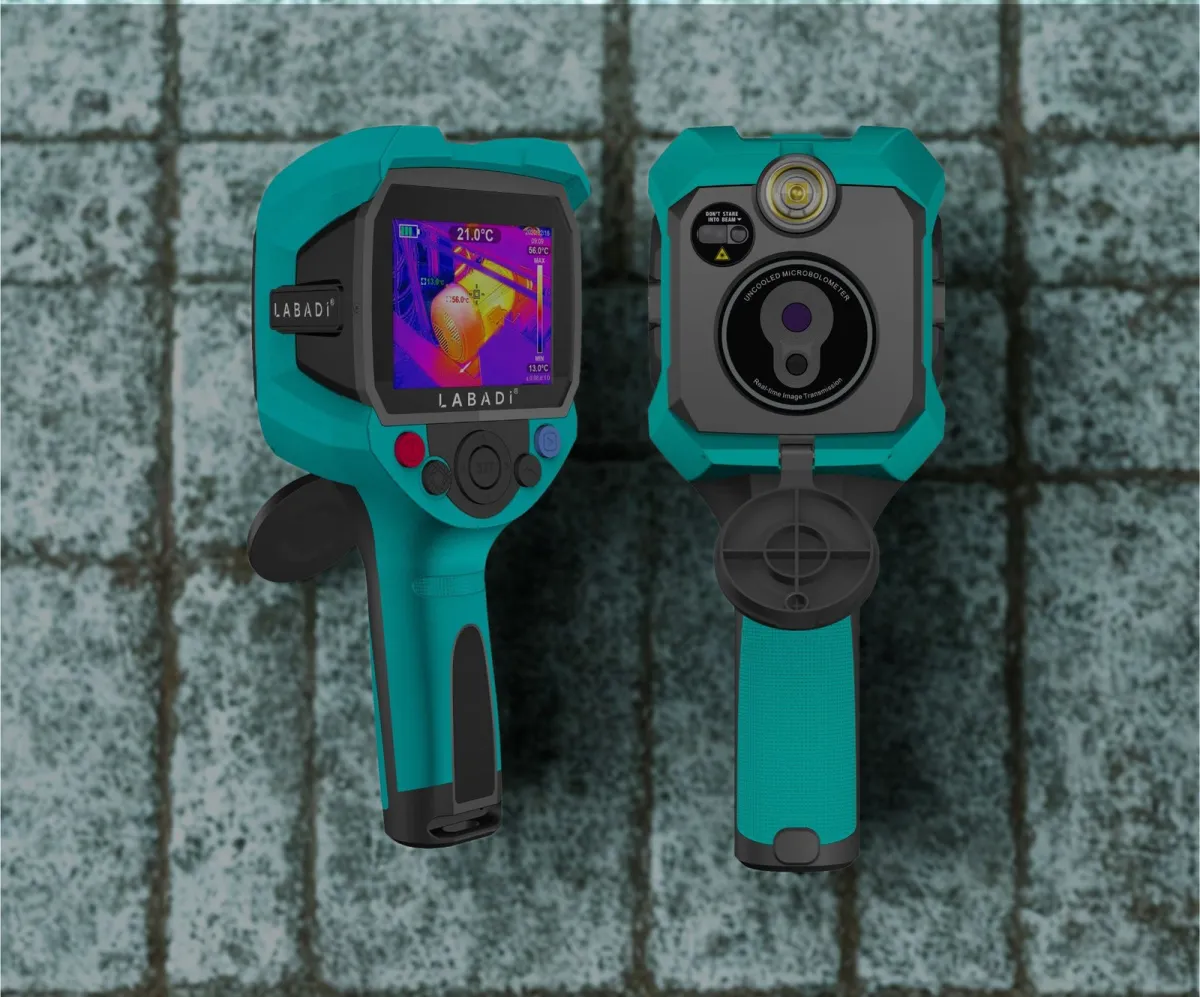
- A basic thermal camera, if the budget allows. It speeds up finding the edges of the damage.
Site basics
- Extension leads and a way to check each circuit's load.
- Water containment mats, floor protection and a squeegee.
- PPE: gloves, P2 respirators, eye protection, disposable coveralls.
Stage 2: Crew (two to three technicians, several jobs running)
Typical work: multi-room residential losses, strata units, small commercial fit-outs, insurance work, the occasional mould job.
Drying
- Four to six dehumidifiers, now mixing sizes. A 90L LGR unit handles larger open areas; 50L units cover bedrooms and bathrooms.
- Twelve to twenty air movers, including square blowers that stack for transport.
- Hose attachments or adapters for drying cavities and under cabinetry.
Air quality and containment
- At least one HEPA air scrubber. The 500 CFM scrubber is compact, stackable and weighs about 17.5 kg, so it moves easily between sites.
- Wire-reinforced PVC duct for negative pressure, plus lay-flat duct for exhaust runs.
- Polyethylene sheeting, zip doors, spring poles and tape.
Detection and documentation
- A thermal camera for each lead technician.
- A standard way to record readings, photos and equipment placement on every job.
Stage 3: Fleet (multiple crews, large losses, flood events)
Typical work: commercial buildings, schools, multi-unit developments, surge work after major flood events.
- Enough dehumidifiers and air movers to run several large jobs at once, plus a reserve for surges.
- Hulk 1000 and 2000 CFM scrubbers for larger containment and commercial spaces.
- Carbon filters for odour, smoke and sewage jobs.
- A combined thermal and moisture tool (such as the FLIR MR277) for supervisors and assessors.
- Asset tracking: a numbered tag on every unit, with service and filter change history.
Spares that save a return trip
A single missing filter or hose can stop a machine. Keep these on each van:
- Pre-filters (G4) for each scrubber model, and at least one spare HEPA filter.
- A Hulk primary filter if you run Hulk scrubbers.
- Carbon filters for odour work.
- Spare dehumidifier drain hose and fittings.
- Spare blower adapters and duct connectors.
Our guide to HEPA filters explains filter classes and change intervals.
Van space: plan the load before you buy
Equipment choices affect how many jobs one vehicle can service.
- Stackable units win. Thorair's 50L and 90L dehumidifiers stack, and both have retractable handles. The 500 CFM scrubber and Pro Square blowers stack too.
- Weight matters. The 50L LGR unit weighs about 35 kg and the 90L about 42 kg. Wheels help on flat ground, but plan ramps, trolleys and two-person lifts for stairs and steps.
- Secure everything. Load restraint bars or straps stop machines shifting and damaging each other.
- Keep clean and dirty separate. Bag equipment from mould and sewage jobs, and clean it before it goes back in the van.
Buying as a package
Buying individual machines lets you fine-tune the mix, but packages are quicker to set up and ensure nothing is missing. Thorair's equipment packages include a Starter Kit, Crew Kit and Fleet Kit that line up roughly with the stages above, plus scrubber, purification and dehumidifier packs and larger Pro Packages. Prices change, so check the live pricing, and call Thorair about bulk pricing if you are buying several packages or fitting out multiple vans.
Financing the fleet
Equipment finance lets the machines start earning before they are paid off. Thorair works with finance partner Emu Money, and many applications are approved within 24 to 48 hours, subject to approval. See equipment finance for how it works. Talk to your accountant about how finance and depreciation fit your business.
Warranty, dispatch and support
- Thorair equipment carries a 365-day full replacement warranty, with an extended second-year replacement warranty on parts.
- Orders placed before 2:00pm AEST are dispatched the same day; later orders ship the next business day. Thorair ships Australia-wide; WA and Tasmania attract a freight surcharge.
- Equipment is SAA certified, and no ABN is needed to buy.
Plan for surge work too. Large flood events, such as Brisbane in 2011 and 2022 or the Northern Rivers in 2022, create a wave of drying jobs at once, so know in advance how you would scale up equipment and crews.